Gluten intolerance and coeliac disease are far more common than many people realise. According to Coeliac UK, around 1 in 100 people in the UK are affected* – yet only a third of them have been officially diagnosed. That means so many people are living with symptoms without fully understanding what’s behind them.
When we think about gluten, we usually think about food – bread, pasta, cakes. But gluten doesn’t just hide in the kitchen. It can also show up in the everyday items we surround ourselves with at home. From soft furnishings to skincare, the materials we choose really can influence how safe, calm, and comfortable we feel.
As someone who has spent years working with fabrics and natural materials – first in upholstery, and now through Equilibrium Lifestyle – I know how important it is to look beyond the surface. Materials aren’t just about style and function. They touch our skin, affect the air we breathe, and, for those with allergies, they can even trigger unexpected reactions.
So, if you’ve ever experienced a flare-up or discomfort without understanding where it came from, here are some of the hidden sources of gluten you might not have considered.
What to watch out for
Spelt husk
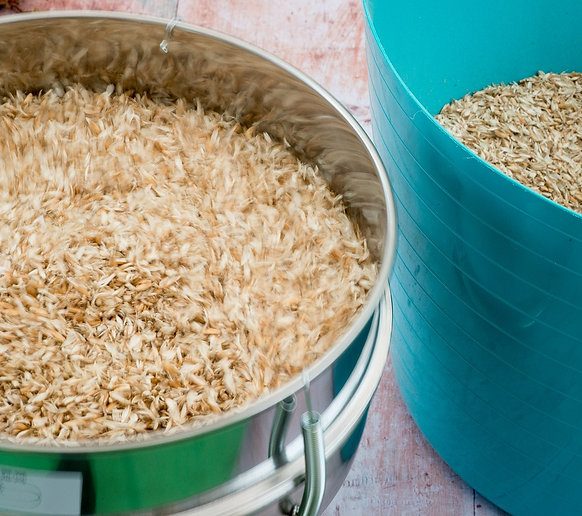
Spelt is often praised as a healthy, “ancient grain,” but it’s actually a type of wheat – which means it contains gluten. Its husks are often used as fillings in meditation cushions, neck pillows, heat packs, or even pet beds. They’re valued for being breathable and mould-resistant, but for anyone with coeliac disease or gluten sensitivity, they can pose a risk. Even though husks are cleaned during processing, they’re not food-grade and may still carry gluten particles. That means reactions can happen through touch, inhalation, or hand-to-mouth transfer.
Other grain-based fillings
It’s not just spelt. Wheat husk, barley hulls, and even oat hulls can all contain traces of gluten. If these are inside your soft furnishings, they may be an invisible trigger in your home.
Non-organic cotton blends
Although not a direct source of gluten, conventional cotton is often grown with heavy use of chemical fertilisers and pesticides. Residues can remain on the fibres and cause irritation in those with sensitivities. Dust mites are another concern, particularly with mixed or treated fabrics.
Safer, gluten-free alternatives
The good news? There are plenty of beautiful, natural, and safe alternatives that support both your wellbeing and the environment.
Buckwheat husk
A wonderful gluten-free alternative to spelt. Buckwheat is not related to wheat, despite the name, and its husks provide the same breathable and supportive qualities without the risk.
Organic golden linseed (flaxseed)
This is the filling I use in Equilibrium Lifestyle’s relaxation eye pillows. Linseed is naturally gluten-free, soft to the touch, and has lovely heat-retaining qualities. When gently warmed, it even releases a subtle, earthy scent that enhances relaxation.
Kapok fibre
A natural plant-based fibre that’s light, fluffy, and completely gluten-free. Perfect for cushions or pillows.
Organic cotton
Choosing organic cotton means avoiding chemical residues and supporting a cleaner environment. It’s kinder to the skin and more sustainable too.
Bamboo
Naturally gluten-free, bamboo is breathable, antibacterial, and dust-mite resistant. I use it in our reusable makeup remover pads because it’s gentle, sustainable, and safe for sensitive skin.
Practical tips to reduce risk
- Always check the label on handmade or natural products – fillings aren’t always obvious.
- Ask the maker about the materials they use. A reputable brand will be transparent.
- Look out for certified gluten-free labels if you’re unsure.
- Choose sealed, washable covers to reduce contact and help with cleaning.
- Regularly air and clean soft furnishings to minimise dust build-up.
Why materials really matter
At Equilibrium Lifestyle, I believe wellbeing is rooted in the small details – the fabrics we touch, the cushions we rest on, the everyday rituals that make up our lives. When we choose natural, carefully sourced materials, we’re not just making an eco-conscious choice – we’re creating a safer, calmer, and more nurturing environment for ourselves and our families.
If you’re managing gluten sensitivity or coeliac disease, taking these little steps can make a world of difference. True care starts with awareness, and it’s these mindful choices that help us create homes where we can truly feel at ease.
This article has also been published nationwide – see some of the features and links here.
LondonWorld Birmingham World Warwickshire World The Star
Lot’s of love,
Nad x
*Source: Coeliac UK, Disease Fact Sheet 2023